From Active Elders to High-Need Elderly Care: A Practical Guide to Senior Living Alternatives
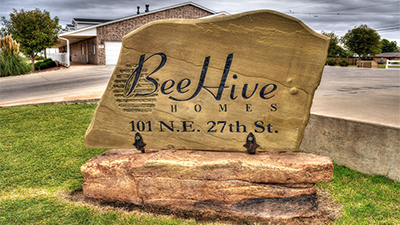
Business Name: BeeHive Homes of Lamesa TX
Address: 101 N 27th St, Lamesa, TX 79331
Phone: (806) 452-5883
BeeHive Homes of Lamesa
Beehive Homes of Lamesa TX assisted living care is ideal for those who value their independence but require help with some of the activities of daily living. Residents enjoy 24-hour support, private bedrooms with baths, medication monitoring, home-cooked meals, housekeeping and laundry services, social activities and outings, and daily physical and mental exercise opportunities. Beehive Homes memory care services accommodates the growing number of seniors affected by memory loss and dementia. Beehive Homes offers respite (short-term) care for your loved one should the need arise. Whether help is needed after a surgery or illness, for vacation coverage, or just a break from the routine, respite care provides you peace of mind for any length of stay.
101 N 27th St, Lamesa, TX 79331
Business Hours
Families seldom sit down to draw up senior living alternatives when everybody is healthy and independent. The conversation generally begins after a fall, a hospitalization, or a scare that makes it difficult to neglect what aging is doing to a loved one's body, memory, or state of mind. Already, options feel hurried, lingo begins to blur together, and every sales brochure appears to assure "safety and dignity" without discussing what life actually looks like.
I have invested several years sitting with older adults and their families at precisely that point. I have viewed people grow since they moved early, when they still had energy to construct new routines and relationships, and I have actually likewise enjoyed families delay till a move had to occur within 2 days after a stroke. The objective of this guide is simple: provide you a clear, practical view of the continuum of senior care and elderly care, from active self-reliance to high medical requirement, so your decisions feel informed instead of reactive.
The senior living landscape in plain language
The first problem households encounter is vocabulary. "Senior care" can mean anything from a weekly cleaning company to a locked memory care system. Different states manage these settings under various laws, and marketing departments are not shy about extending terminology.
Most choices fall along a rough spectrum of assistance:
Independent living
Assisted living Memory care Proficient nursing and rehabilitation Hospice and palliative care
Threaded through all of those are services such as home care, respite care, and adult day programs, which can either postpone a move or make a relocation more sustainable.
What matters most is not the label on the door. What matters is the match between an individual's capabilities and needs on one hand, and the environment, staffing, and culture of a specific setting on the other.
Start with the person, not the brochure
Before you compare assisted living with nursing homes, time out and look closely at the person in front of you. 2 people with the exact same diagnosis can need extremely different types of assistance. One 85 years of age with heart failure may still drive, prepare, and manage medications, while another becomes out of breath crossing a room and needs help with every shower.
A useful starting point is to write down, in one honest sitting, what your loved one can do securely and regularly without aid. Not on their finest day, not if you contact us to advise them, but on a normal Tuesday when nobody is seeing. Concentrate on 3 areas: physical function, cognition, and social/psychological needs.
Physical function means walking, standing from a chair, toileting, bathing, dressing, managing stairs, and dealing with home jobs such as laundry or light cooking. Use specific examples. "Needs assist leaving bathtub every time" informs you more than "bathes with assistance."
Cognition covers memory, problem-solving, safety awareness, and the capability to follow multi-step instructions. Forgetting where the vehicle is parked is an inconvenience. Forgetting to turn off the stove or leaving the front door broad open over night is a security problem. Take note of patterns, not one-off lapses after a bad night's sleep.
Social and mental needs are frequently underestimated. A widowed 78 years of age who has lost her license may be physically efficient in living alone however quietly depressed and lonesome, enjoying TV for 12 hours a day. Another individual may be more shy and completely material with limited interaction if books and music are readily available. Anxiety, paranoia, or extreme sorrow can impact safety as much as a weak hip.
Families that require time to map these three domains normally wind up choosing better than families who start with "What can we manage?" or "Which location looks nicest?"
Aging in location: when staying at home still works
For many older adults, the preferred alternative is simple: stay home as long as possible. With the right supports, aging in location can be extremely successful, particularly in the earlier years of decline.
The foundation of safe aging in location usually include home adjustments, in-home senior care, and thoughtful use of innovation. Adjustments vary from grab bars and raised toilet seats to stair lifts or converting a bath tub to a walk-in shower. The expense differs commonly, however minor changes can drastically minimize falls. I have actually seen a $50 shower chair prevent repeat emergency clinic visits from a single slippery tub.
Home care can be either non-medical or medical. Non-medical caregivers aid with cooking, bathing, light housekeeping, errands, and companionship. They are frequently the very first official support a household generates. Medical home health services, normally covered by insurance after a certifying occasion, offer nurses, physiotherapists, physical therapists, and social employees for time-limited episodes such as after a hospitalization.
The primary advantages of aging in location are familiarity, control over routine, and the psychological value of remaining in a long-time home. The risks grow when cognitive problems, frequent falls, or complex medications enter the picture. The line in between "with some assistance, this is safe" and "we are depending on luck" can be thin. Households should review this decision every couple of months, or earlier after any considerable change such as a fall, wandering episode, or vehicle accident.
Aging in location is not an all-or-nothing option. Many individuals utilize respite care remain in a neighborhood for a week or two at a time to give household caregivers a break or test how their loved one tolerates a various setting.
Independent living neighborhoods: flexibility with a safety net
Independent living is frequently the first official action far from a single-family home or apartment. These communities are developed for active seniors who can manage their own individual care however desire easier living, more social contact, or fast access to assist if needed.
Most independent living plans look like apartments or small cottages within a campus that uses shared dining, house cleaning, transport, and activities. Some are part of large continuing care communities that likewise consist of assisted living and nursing centers on the same grounds. Others are stand-alone buildings with a more restricted series of services.
In my experience, independent living works best for older grownups who:
- Still handle their own medications and finances.
- Walk securely with or without a walking stick or walker.
- Do not have substantial wandering, paranoia, or agitation from dementia.
- Want social opportunities however do not require day-to-day triggering to eat, bathe, or get dressed.
That line above is the first list in this article. It matters here because it is much easier to scan as a fast "healthy check" than to bury in paragraphs.
The benefits are genuine. Individuals often consume better once they move because they are no longer cooking just for themselves. Seclusion drops due to the fact that the barrier to social contact is low: stroll down the hall for coffee, join an exercise class on website, being in the lobby and chat. Housekeeping and upkeep stop providing stress.
The risks originate from assuming that independent living personnel will provide the very same level of assistance as assisted living. They do not. If someone starts to miss meals due to the fact that of early dementia, forgets to utilize their walker, or stops taking medications, staff might discover informally, however they are not needed to provide hands-on care. Families need to stay included, at least through regular visits and conversations, so subtle declines do not go unnoticed.
Assisted living: support for daily life
Assisted living is where numerous older adults initially encounter the official term "elderly care." The goal is to support individuals who can not safely manage all activities of daily living on their own however do not yet require 24-hour nursing care.
Typical services in assisted living consist of help with bathing, dressing, grooming, toileting, and medication management. The majority of locals elderly care get a minimum of some assistance with two or 3 of those activities. Meals are usually provided in a dining room, and staff examine that residents appear. Many structures have nurses, but staffing ratios and certifications vary widely by state and by company.
Fees in assisted living can be complicated. Some communities offer "all inclusive" pricing, while others use a base rate plus levels of care that increase as needs grow. Households are often amazed when costs increase greatly after a hospitalization, due to the fact that their loved one now requires aid with transfers, toileting, or two-person support for mobility.
A core strength of assisted living is flexibility. A resident may only require pointers and a light touch of help after a hospitalization, then gain back self-reliance with outpatient treatment. Another might slowly move from minimal help with showers to complete support with dressing and toileting over a number of years. Great communities change care plans regularly and involve the household when requires change.
On the other hand, assisted living is not a locked or medical environment. Locals can leave the front door. They can make poor decisions if judgement is impaired. If an assisted living building claims it can "do whatever" a nursing home does, ask specifically about staffing ratios, overnight protection, and the highest level of care they reasonably deal with: two-person transfers, feeding help, oxygen, complex medications, or significant behavioral challenges.

Memory care: structure and safety for people dealing with dementia
Memory care units are specialized environments for individuals with Alzheimer's disease and other dementias who need more guidance and structure than basic assisted living can securely supply. They are usually safe and secure units within a bigger building or entirely different communities developed around smaller, more controlled spaces.
The staff in a well run memory care neighborhood are trained to deal with common dementia-related difficulties: wandering, agitation, resistance to bathing, suspicion, and repeated questioning. Daily routines are typically more structured, with activities customized to cognitive level, and the physical layout is created to minimize confusion and supply safe walking paths.
Families sometimes resist memory care due to the fact that they fear it signifies a "climax." In practice, I have actually seen people with moderate to sophisticated dementia actually become calmer in memory care than in traditional assisted living. Less options, a constant routine, and personnel who anticipate and comprehend repeated behaviors can reduce stress and anxiety for everyone.
It is very important to match the phase of dementia to the neighborhood. Some buildings market "memory support" within an assisted living floor, which might work early in the illness. Others are built for locals who are totally incontinent, largely nonverbal, and need comprehensive support. Ask direct questions about who they accept, who they discharge, and how they manage aggression, exit looking for, and night-time wakefulness.
Skilled nursing and rehabilitation: when medical requirements dominate
Skilled nursing centers, typically called nursing homes, serve two main groups of homeowners. The very first group is short-stay rehab clients recovering from surgical treatment, fractures, strokes, or major medical events. The second group is long-stay homeowners with chronic complex needs that can not safely be handled in assisted living or at home.
Rehabilitation stays are generally measured in weeks, periodically a couple of months, and focus heavily on physical, occupational, and often speech treatment. Insurance coverage rules mostly determine who qualifies, the length of time they can remain, and what documents is needed. I have seen households end up being frustrated when a loved one seems on the cusp of restoring self-reliance however the rehab stay ends quickly due to the fact that walking range or stair climbing has actually "plateaued" according to unbiased measures.
Long-stay nursing home locals generally need extensive assist with almost every activity of daily living. Lots of are bedbound or chairbound, utilize feeding tubes, or require regular medical interventions such as wound care or oxygen management. Staffing includes registered nurses, licensed practical nurses, and accredited nursing assistants, although real ratios differ considerably by center and by shift.

The hardest change for households is typically psychological. Moving a parent to a nursing home can feel like failure, specifically in cultures that highly highlight multigenerational care at home. In truth, for some seniors, a nursing facility is the only location that can securely provide the level of experienced care they require. The most thoughtful thing a family can do at that point is to remain engaged: visit, advocate, and see thoroughly for any pattern of neglect such as frequent inexplicable bruising, weight reduction, or recurrent infections.
Respite care: giving caregivers room to breathe
Family caregivers are the undetectable infrastructure of senior care. Adult kids, spouses, and even grandchildren pour thousands of hours into bathing, feeding, carrying, and supervising older relatives, often while working or raising children of their own. Burnout is not a character flaw. It is a predictable result when obligations overtake support.
Respite care is one of the most underused tools available. It provides short-term relief by briefly positioning an older grownup in another setting. This may suggest a few days in an assisted living or memory care home, a week in a proficient nursing center for post-acute support, or routine attendance at an adult day program.
When caregivers use respite before reaching overall exhaustion, everybody benefits. The older adult gains direct exposure to a new environment and personnel become knowledgeable about their choices and regimens, which can make any future longer stay smoother. The caretaker can sleep, address their own medical needs, travel, or merely reset. I typically recommend families to schedule respite on the calendar just as they set up medical appointments, not just after a crisis.
Insurance protection for respite varies. Some long-term care policies cover it directly, particular government benefits include it under specific programs, and some facilities provide discounted "trial remains." Inquiring about respite clearly can open options that are not obvious from marketing materials.
Hospice and end-of-life care: comfort, not abandonment
There comes a point in lots of health problem trajectories where the main objective shifts from lengthening life at any cost to taking full advantage of comfort and peace. Hospice is built for that moment. It is a form of care, not a location, developed for individuals who are most likely in the last 6 months of life if the disease runs its usual course.
Hospice services can be offered in your home, in assisted living, in nursing homes, or in devoted hospice houses. The core group includes nurses, social employees, aides, chaplains, and doctors. Their focus is pain and symptom control, psychological and spiritual assistance, and guidance for families facing really hard decisions.
Families often postpone accepting hospice because they think it implies "giving up." In truth, for many patients, starting hospice enhances quality of life. Aggressive, burdensome medical interventions stop, and energy shifts towards better sign management, music, visits from pals, or significant discussions. I have seen people on hospice live longer than expected due to the fact that their bodies are no longer stressed by repeated hospitalizations and procedures.
The clearest marker that hospice might be appropriate is when treatments are triggering more suffering than the disease itself, or when a person with advanced dementia is reducing weight, becoming less responsive, or experiencing repeated infections. Asking a doctor, "Would you be shocked if my mother were still alive a year from now?" is a practical method to open this discussion.
Money, benefits, and hard monetary choices
The monetary side of senior living is often more painful for households than medical choices. Expenses vary extensively by region, however it prevails for assisted living to encounter several thousand dollars each month, memory care to cost more than that, and nursing homes to cost a lot more, particularly for private-pay residents.
Acute medical care is frequently covered by regular health insurance or government insurance coverage. Long-lasting senior care, especially room and board in assisted living or long-stay nursing homes, normally is not. This is where long-term care insurance coverage, private savings, household contributions, veterans' benefits, and income-based assistance programs enter the picture.
A few practical actions make a distinction:
- Review existing files. Look at any long-term care policies, life insurance riders, and pension rules. Lots of people have protection they have forgotten about.
- Talk early with a financial coordinator or elder law attorney if possessions are significant or if a spouse will stay in your home. Guidelines about asset defense and eligibility for federal government benefits are intricate and time sensitive.
- Ask each center pointed questions about what occurs if money goes out. Some communities accept specific public advantages after a private-pay period; others do not. Comprehending this ahead of time prevents mid-course surprises that need another move.
That numbered area is the 2nd and last list in this article, used here since a brief sequence of steps is simpler to follow that method. Any more enumeration will remain within paragraphs.
Above all, do not let shame or worry keep you from asking direct financial questions. A lot of admissions personnel have actually seen a vast array of scenarios and would rather help you browse choices than view a family overcommit and after that panic later.
How to examine neighborhoods beyond the tour
Brochures and tours are designed to show the best variation of a community. To comprehend the lived reality, you need a mix of observation, questions, and gut sense.
Visit at various times of day if possible. Mealtimes show you staff interaction and food quality. Early evenings reveal how hectic or disorderly the structure feels as shifts alter. Weekends are helpful because staffing can be thinner; you will see how the location runs when leadership is less present.
Watch resident deals with. Do individuals look engaged, comfortable, and groomed, or bored and disheveled in wheelchairs lined up along the walls? A single rough moment does not condemn a facility, but patterns matter. Listen to how staff talk to homeowners: with patience and heat, or rushed and job focused.
Ask line staff, not simply managers, the length of time they have worked there and what they like about the location. High turnover does not immediately mean bad care, however steady, knowledgeable assistants and nurses are an excellent sign. Ask them how emergencies are dealt with at 2 a.m., what takes place if somebody falls, and who calls the family.
If your loved one is capable, involve them in visits from the start. Even if cognitive problems limitations memory, being physically present in a space provides you important information about their responses. Some people unwind noticeably in a well run memory care system, leaning into the calm predictability. Others appear overwhelmed by sound or activity. Their body language counts as data.
Balancing safety, autonomy, and dignity
Every option in senior care includes trade-offs. Keeping somebody at home with 24-hour supervision might maximize psychological comfort however sacrifice personal privacy and self-reliance. Moving earlier to an independent or assisted living community can seem like quiting a house, yet it may avoid the injury of a hurried relocation after a fracture.
The ethical stress is generally in between safety on one side and autonomy on the other. An older adult with mild cognitive disability might insist on driving to maintain self-reliance, while their kids lie awake at night stressing over the danger to others. A partner taking care of a partner with dementia may choose to keep them at home, even if caregiving is plainly destroying the caregiver's own health.
There is no single appropriate answer. What tends to work finest is a process of continuous discussion: clarify worths, gather facts, make a choice that fits this minute, and dedicate to revisiting it as requirements evolve. Written sophisticated directives and powers of lawyer assistance, however real-life choices still need judgment and compassion.
One useful question to ask in difficult moments is, "If I look back a year from now, what will I wish I had done for this individual?" Often, the response is not "kept them completely safe" or "maintained self-reliance at all expenses," but something closer to "protected them from preventable suffering while respecting who they are."
Bringing everything together
Senior living options are not a ladder that everybody climbs in the exact same order. Some people move straight from independent living to hospice at home. Others remain in assisted living for a decade with increasing assistances. Still others move from home to knowledgeable rehabilitation, then to a nursing facility, then back home with extensive services.
The thread going through every choice is relationship. No structure or program can alternative to a member of the family, good friend, or supporter who knows the individual's history, preferences, peculiarities, and worries. Good expert senior care partners with that knowledge instead of changing it.
If you remain in the middle of these decisions now, you are currently doing something crucial: looking beyond slogans and seeking a clear view of the landscape. With a grounded understanding of independent living, assisted living, memory care, competent nursing, respite care, and hospice, you can choose settings and services that fit the genuine individual you like, not an idealized patient on a brochure.
Give yourself consent to change, alter course, and learn along the way. Aging seldom follows a neat script. Thoughtful, truthful attention to requirements and worths, combined with practical understanding of senior living alternatives, is the closest thing we need to a roadmap.
BeeHive Homes of Lamesa TX provides assisted living care
BeeHive Homes of Lamesa TX provides memory care services
BeeHive Homes of Lamesa TX provides respite care services
BeeHive Homes of Lamesa TX supports assistance with bathing and grooming
BeeHive Homes of Lamesa TX offers private bedrooms with private bathrooms
BeeHive Homes of Lamesa TX provides medication monitoring and documentation
BeeHive Homes of Lamesa TX serves dietitian-approved meals
BeeHive Homes of Lamesa TX provides housekeeping services
BeeHive Homes of Lamesa TX provides laundry services
BeeHive Homes of Lamesa TX offers community dining and social engagement activities
BeeHive Homes of Lamesa TX features life enrichment activities
BeeHive Homes of Lamesa TX supports personal care assistance during meals and daily routines
BeeHive Homes of Lamesa TX promotes frequent physical and mental exercise opportunities
BeeHive Homes of Lamesa TX provides a home-like residential environment
BeeHive Homes of Lamesa TX creates customized care plans as residents’ needs change
BeeHive Homes of Lamesa TX assesses individual resident care needs
BeeHive Homes of Lamesa TX accepts private pay and long-term care insurance
BeeHive Homes of Lamesa TX assists qualified veterans with Aid and Attendance benefits
BeeHive Homes of Lamesa TX encourages meaningful resident-to-staff relationships
BeeHive Homes of Lamesa TX delivers compassionate, attentive senior care focused on dignity and comfort
BeeHive Homes of Lamesa TX has a phone number of (806) 452-5883
BeeHive Homes of Lamesa TX has an address of 101 N 27th St, Lamesa, TX 79331
BeeHive Homes of Lamesa TX has a website https://beehivehomes.com/locations/lamesa/
BeeHive Homes of Lamesa TX has Google Maps listing https://maps.app.goo.gl/ta6AThYBMuuujtqr7
BeeHive Homes of Lamesa TX has Facebook page https://www.facebook.com/BeeHiveHomesLamesa
BeeHive Homes of Lamesa has an YouTube page https://www.youtube.com/@WelcomeHomeBeeHiveHomes
BeeHive Homes of Lamesa TX won Top Assisted Living Homes 2025
BeeHive Homes of Lamesa TX earned Best Customer Service Award 2024
BeeHive Homes of Lamesa TX placed 1st for Senior Living Communities 2025
People Also Ask about BeeHive Homes of Lamesa TX
What is BeeHive Homes of Lamesa Living monthly room rate?
The rate depends on the level of care that is needed. We do an initial evaluation for each potential resident to determine the level of care needed. The monthly rate is based on this evaluation. There are no hidden costs or fees
Can residents stay in BeeHive Homes until the end of their life?
Usually yes. There are exceptions, such as when there are safety issues with the resident, or they need 24 hour skilled nursing services
Do we have a nurse on staff?
No, but each BeeHive Home has a consulting Nurse available 24 – 7. if nursing services are needed, a doctor can order home health to come into the home
What are BeeHive Homes’ visiting hours?
Visiting hours are adjusted to accommodate the families and the resident’s needs… just not too early or too late
Do we have couple’s rooms available?
Yes, each home has rooms designed to accommodate couples. Please ask about the availability of these rooms
Where is BeeHive Homes of Lamesa TX located?
BeeHive Homes of Lamesa is conveniently located at 101 N 27th St, Lamesa, TX 79331. You can easily find directions on Google Maps or call at (806) 452-5883 Monday through Sunday 9:00am to 5:00pm
How can I contact BeeHive Homes of Lamesa TX?
You can contact BeeHive Homes of Lamesa by phone at: (806) 452-5883, visit their website at https://beehivehomes.com/locations/lamesa/, or connect on social media via Facebook or YouTube
Forrest Park offers shaded areas and walking paths suitable for assisted living and elderly care residents enjoying gentle respite care outings.