How to Pick the Right Senior Living Neighborhood for Your Requirements
Business Name: BeeHive Homes of Lamesa TX
Address: 101 N 27th St, Lamesa, TX 79331
Phone: (806) 452-5883
BeeHive Homes of Lamesa
Beehive Homes of Lamesa TX assisted living care is ideal for those who value their independence but require help with some of the activities of daily living. Residents enjoy 24-hour support, private bedrooms with baths, medication monitoring, home-cooked meals, housekeeping and laundry services, social activities and outings, and daily physical and mental exercise opportunities. Beehive Homes memory care services accommodates the growing number of seniors affected by memory loss and dementia. Beehive Homes offers respite (short-term) care for your loved one should the need arise. Whether help is needed after a surgery or illness, for vacation coverage, or just a break from the routine, respite care provides you peace of mind for any length of stay.
101 N 27th St, Lamesa, TX 79331
Business Hours
Choosing a senior living community is seldom a simple real estate decision. It is a health and wellness choice, a way of living choice, and for several family members, a timing decision made under stress. The right location can protect independence, reduce stress, and make daily life simpler in manner ins which are hard to value up until you see them in method. The wrong fit, also if it looks brightened on a sales brochure, can leave a resident separated, aggravated, or even worse, at risk.
I have actually seen households start with a narrow search for "assisted living near me" and end up uncovering that proximity issues less than the quality of care, the staffing rhythm, and the atmosphere inside the structure. I have additionally seen the opposite, where somebody chose a very ranked senior living university an hour away from their familiar medical professional, church, and pals, then battled to resolve in because the step interrupted too much simultaneously. The most effective selection typically originates from stabilizing functional needs with character, routines, and the degree of assistance someone might need 6 months from now, not simply today.
Start with the individual, not the property
The greatest blunder family members make is purchasing senior living the means they would shop for a house. Square footage, design, and dining-room menus matter, but they are not the starting point. The beginning point is the senior's daily reality.
An individual who still appreciates making breakfast, managing drugs with a little triggering, and socializing on their own terms might prosper in a smaller assisted living community. A person with even more complex wheelchair demands, regular falls, or memory issues might call for an extra organized environment. A retired schoolteacher who loves silent early mornings and personal privacy could hate a hectic school with consistent activity. An additional resident might really feel lonely in a calm structure if it does not use enough social energy.
Before touring areas, map out the genuine support needs. Consider how the person gets dressed, showers, walks around the home, bears in mind medicines, prepares meals, and handles emergency situations. If the current home has stairways, a slippery tub, or a long driveway, those information issue since they form daily safety. The appropriate senior care setting ought to fix genuine problems, not just look appealing on the surface.
That is also the minute to be honest concerning emotional requirements. Some people are durable and adjust quickly. Others are deeply connected to regimens, pet dogs, leisure activities, and acquainted timetables. An action can feel like an alleviation or a loss depending on the person and the situations. Good senior living communities comprehend that transition is not simply logistical. It is personal.
Match the degree of like present and likely future needs
Senior care is not one-size-fits-all. Communities commonly offer different degrees of support, and the distinctions matter more than the advertising language suggests. Assisted living is usually made for older adults who need aid with daily activities such as showering, dressing, medication tips, or dish support, but that do not require intensive nursing care all day long. That is very different from a competent nursing setting, and it is also various from independent living.
Many households initial look for assisted living because that appears to fit the prompt requirement, but the much better question is whether the community can adapt as demands transform. If a person is recuperating from surgical treatment, needing just temporary aid may be enough. Because case, respite care can be a wise bridge. It gives the person a refuge to recuperate and gives caretakers time to remainder, travel, or take care of job without feeling guilty. Respite care can also work as a dry run before a permanent relocation. A two-week remain often exposes even more about convenience, food, rest, and staffing than a glossy tour ever could.
If memory loss is part of the photo, ask particularly just how the area takes care of cognitive decline. Some senior living communities offer a different memory care program with more structured regimens, protected exits, and personnel learnt dementia assistance. That setting can be the appropriate answer when a person is wandering, repeating medications, or becoming dizzy at home. The trick is not to think every assisted living community is equipped for memory-related needs just because it accepts older adults.
Future needs be worthy of focus as well. A resident who is mainly independent now might need more help after a loss, a hospitalization, or a diagnosis that transforms their wheelchair. It is simpler to change within an area that already uses a continuum of care than to move twice in a year. That does not suggest every person ought to automatically choose the largest campus. It means the decision ought to represent most likely modification, not just existing stability.
Notice what takes place throughout the tour, not simply what is said
Any area can look fantastic throughout a scheduled visit. Fresh blossoms, happy team, and a tidy dining room inform you something, but not everything. The more useful ideas are harder to stage.
Arrive a little very early and see the building prior to any individual anticipates you. Are homeowners resting alone in hallways, or are they engaged with one another? Does staff communication feel kicked back and considerate, or hurried and transactional? Does the front workdesk react promptly when somebody requires help? Small things like that reveal culture.
If possible, tour at greater than once of day. A late morning visit might show an upbeat group activity, while a night visit can disclose staffing patterns and exactly how citizens are cleared up prior to supper. Weekend break visits can likewise be disclosing because some communities run in different ways when the routine weekday team is not on site. An excellent senior living community must feel secure across changes, not just when a tour is scheduled.
Pay interest to smells, sound, and temperature level. These are not superficial worries. Solid odors can suggest cleansing or urinary incontinence issues. Extreme sound may indicate inadequate acoustics or a disorderly setting. An area that really feels too warm or also cool can rapidly end up being uncomfortable for older adults, specifically those with circulation problems or medications that influence temperature sensitivity.
Talk to citizens if they appear open up to it. A direct concern like, "Do you really feel comfy below?" commonly gets a more truthful answer than a formal interview with staff. Family members often find out the most from an offhand comment regarding meals, activities, or just how swiftly a person reacts when help is needed.
Ask concerning staffing in ordinary language
Staffing is just one of the clearest forecasters of daily experience, yet it is commonly discussed in vague terms. Rather than asking whether the community has "excellent staff," ask just how care is supplied and that is accountable for what. The amount of caretakers are arranged on each change? Exactly how are call lights or emergency situation requests dealt with? Exists a registered nurse on site, and if so, during which hours? How commonly are care strategies reviewed?
Those inquiries issue since the high quality of senior care is commonly exposed in minutes, not mission declarations. A stunning dining-room does bit good if a resident waits also wish for help to the shower room. A friendly activity calendar does not matter if medication regimens are inconsistent. Family members seeking senior care near me are generally trying to address an individual and useful issue, and staffing is where those sensible information pertain to life.
Ask regarding turn over as well. An area with high personnel turnover can still function, yet the resident experience may really feel inconsistent. Acquainted faces issue, specifically for people that fear, difficult of hearing, or living with memory loss. A team member that recognizes that Mr. Alvarez chooses tea with breakfast or that Ms. Jenkins comes to be puzzled after dinner is not simply being kind, they are reducing friction in daily life.
It additionally helps to ask just how the neighborhood trains new staff members. Training in transfers, drug support, dementia interaction, loss avoidance, and emergency action should not be periodic or casual. Good neighborhoods can explain their procedures without getting on jargon. If responses stay obscure, that is worth noting.
Look very closely at every day life, not just services on paper
Many areas provide the very same services, however the lived experience can vary dramatically. Dishes might technically be consisted of, yet the food can be bland or served prematurely for the resident's preferences. Activities might exist on a schedule, yet only a handful of locals sign up with because they do not feel welcomed or because the offerings are as well generic.
Ask what a regular day looks like. What time do homeowners wake, consume, and obtain aid? Are activities differed enough for different characters? Some residents want workout classes and trips. Others desire books, songs, horticulture, or peaceful card games. A great senior living neighborhood should not force every person right into the same mold.
If the individual values self-reliance, ask how much control they maintain. Can they select when to wake up and when to consume? Can they bring personal furnishings? Are family pets permitted? Can family visit easily? The level of freedom can matter as long as the care package.
Watch for just how the personnel speaks about resident preferences. A neighborhood that says "we try to suit" might be really different from one that explains real systems for recognizing regimens. That distinction tells you whether independence is a viewpoint or simply a slogan.
Think about place in practical, not emotional, terms
Families typically fixate on the phrase "assisted living near me," and proximity can definitely matter. It is much easier to visit often when the community is close to home, close to adult youngsters, or near a trusted doctor. Emergency trips are simpler. Acquainted food store, churches, and longtime friends continue to be accessible. For numerous residents, that connection is emotionally grounding.
Still, area needs to not override high quality. A neighboring neighborhood that is undermanned or inadequately kept is not a far better choice just because it is convenient. Often the most effective alternative is 20 mins further away if it means more powerful care, better interaction, and a better environment.
Also think about the area itself. Is it easy to gain access to? Is car park affordable for family members visits? Is there area for brief walks, exterior resting, or secure pick-up and drop-off? Does the surrounding area feel tranquil and inviting? These information impact both the resident and the people who will be checking out regularly.
For some family members, a move to senior living ends up being a chance to redraw the map of support. Rather than depending just on one exhausted caretaker or a breakable home arrangement, the area comes to be a trustworthy base. That is a significant trade-off, specifically when relative live apart or work demanding schedules.
Use brief remains and second visits to lower guesswork
One of the most useful methods to choose well is to evaluate the setting before making a long-term dedication. Respite care can be particularly valuable right here. A short stay enables the resident to experience the staff, food, resting arrangement, and daily rhythm without the pressure of a complete action. Families commonly find that the location they suched as on paper really feels as well peaceful, too busy, also scientific, or remarkably warm once a person really remains there.
If a respite keep is not possible, organize a 2nd visit at a various time and ask for a more candid discussion. The first tour usually stresses the highlights. The senior living BeeHive Homes of Lamesa TX 2nd need to concentrate on real-life issues such as washing, transport, emergency procedures, medication handling, checking out hours, and what occurs if the resident's problem changes.
This is additionally the moment to examine the small print. What solutions set you back extra? What triggers a price enhance? Exactly how does the community deal with even more care demands in time? Shocks in invoicing can produce unneeded pressure, especially for family members currently making difficult emotional decisions. Clear financial interaction is not a high-end. It belongs to quality care.
A useful way to compare alternatives without getting overwhelmed
When family members are contrasting several communities, it aids to remain based in the same criteria as opposed to getting swept up by the prettiest lobby or one of the most sleek sales discussion. Keep the comparison concentrated on what issues most:
- level of care that matches existing needs
- staffing uniformity and responsiveness
- daily regular, personal privacy, and resident autonomy
- location and ease of family visits
- transparency regarding costs and future care changes
That short filter is typically adequate to eliminate places that look great externally however do not fit the individual's life. It also keeps the discussion concentrated when numerous relatives have various opinions.
Listen for the kind of self-confidence that originates from experience
The finest communities have a tendency to speak in specifics. They can explain how they help somebody that is unsteady in the evening, what they do if a resident declines a meal, just how they support couples with various care needs, or how they reintroduce a resident after hospitalization. They do not pretend every scenario is basic, and they do not assure perfection. They describe just how they manage average complications, which is where a lot of senior living in fact happens.
That type of grounded self-confidence deserves more than a sales pitch. It tells you the community has actually run into real-world concerns and developed practical behaviors. Family members often sense this rapidly, also if they can not call it. The pace of the tour feels steadier. Staff answer questions directly. Homeowners appear recognized, not managed.
There is additionally value in trusting the person that will live there. Even when family members are aiding make the decision, the resident's convenience issues. If the area feels wrong, if the dining routine really feels too inflexible, if the ambience seems too professional or as well lively, that reaction ought to not be rejected. Excellent senior living appreciates choice since preference shapes top quality of life.
Choosing amongst assisted living areas, independent senior living choices, or specialized care setups is not just about fixing a trouble for this month. It has to do with developing a steady and gentle next chapter. The ideal fit sustains dignity, lowers everyday friction, and gives relative space to breathe. That outcome rarely originates from a showy tour alone. It originates from mindful observation, honest concerns, and a clear sense of what life need to seem like after the move.
BeeHive Homes of Lamesa TX provides assisted living care
BeeHive Homes of Lamesa TX provides memory care services
BeeHive Homes of Lamesa TX provides respite care services
BeeHive Homes of Lamesa TX supports assistance with bathing and grooming
BeeHive Homes of Lamesa TX offers private bedrooms with private bathrooms
BeeHive Homes of Lamesa TX provides medication monitoring and documentation
BeeHive Homes of Lamesa TX serves dietitian-approved meals
BeeHive Homes of Lamesa TX provides housekeeping services
BeeHive Homes of Lamesa TX provides laundry services
BeeHive Homes of Lamesa TX offers community dining and social engagement activities
BeeHive Homes of Lamesa TX features life enrichment activities
BeeHive Homes of Lamesa TX supports personal care assistance during meals and daily routines
BeeHive Homes of Lamesa TX promotes frequent physical and mental exercise opportunities
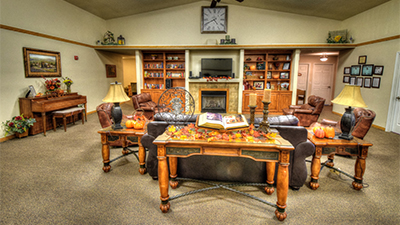
BeeHive Homes of Lamesa TX provides a home-like residential environment
BeeHive Homes of Lamesa TX creates customized care plans as residents’ needs change
BeeHive Homes of Lamesa TX assesses individual resident care needs
BeeHive Homes of Lamesa TX accepts private pay and long-term care insurance
BeeHive Homes of Lamesa TX assists qualified veterans with Aid and Attendance benefits
BeeHive Homes of Lamesa TX encourages meaningful resident-to-staff relationships
BeeHive Homes of Lamesa TX delivers compassionate, attentive senior care focused on dignity and comfort
BeeHive Homes of Lamesa TX has a phone number of (806) 452-5883
BeeHive Homes of Lamesa TX has an address of 101 N 27th St, Lamesa, TX 79331
BeeHive Homes of Lamesa TX has a website https://beehivehomes.com/locations/lamesa/
BeeHive Homes of Lamesa TX has Google Maps listing https://maps.app.goo.gl/ta6AThYBMuuujtqr7
BeeHive Homes of Lamesa TX has Facebook page https://www.facebook.com/BeeHiveHomesLamesa
BeeHive Homes of Lamesa has an YouTube page https://www.youtube.com/@WelcomeHomeBeeHiveHomes
BeeHive Homes of Lamesa TX won Top Assisted Living Homes 2025
BeeHive Homes of Lamesa TX earned Best Customer Service Award 2024
BeeHive Homes of Lamesa TX placed 1st for Senior Living Communities 2025
People Also Ask about BeeHive Homes of Lamesa TX
What is BeeHive Homes of Lamesa Living monthly room rate?
The rate depends on the level of care that is needed. We do an initial evaluation for each potential resident to determine the level of care needed. The monthly rate is based on this evaluation. There are no hidden costs or fees
Can residents stay in BeeHive Homes until the end of their life?
Usually yes. There are exceptions, such as when there are safety issues with the resident, or they need 24 hour skilled nursing services
Do we have a nurse on staff?
No, but each BeeHive Home has a consulting Nurse available 24 – 7. if nursing services are needed, a doctor can order home health to come into the home
What are BeeHive Homes’ visiting hours?
Visiting hours are adjusted to accommodate the families and the resident’s needs… just not too early or too late
Do we have couple’s rooms available?
Yes, each home has rooms designed to accommodate couples. Please ask about the availability of these rooms
Where is BeeHive Homes of Lamesa TX located?
BeeHive Homes of Lamesa is conveniently located at 101 N 27th St, Lamesa, TX 79331. You can easily find directions on Google Maps or call at (806) 452-5883 Monday through Sunday 9:00am to 5:00pm
How can I contact BeeHive Homes of Lamesa TX?
You can contact BeeHive Homes of Lamesa by phone at: (806) 452-5883, visit their website at https://beehivehomes.com/locations/lamesa/, or connect on social media via Facebook or YouTube
Residents may take a trip to the Lost Texan Cafe . Lost Texan Cafe provides hearty meals in a welcoming setting suitable for assisted living, memory care, senior care, elderly care, and respite care dining visits.