Huge Benefits of Small Assisted Living Homes for Daily Elderly Care
Business Name: BeeHive Homes of Lamesa TX
Address: 101 N 27th St, Lamesa, TX 79331
Phone: (806) 452-5883
BeeHive Homes of Lamesa
Beehive Homes of Lamesa TX assisted living care is ideal for those who value their independence but require help with some of the activities of daily living. Residents enjoy 24-hour support, private bedrooms with baths, medication monitoring, home-cooked meals, housekeeping and laundry services, social activities and outings, and daily physical and mental exercise opportunities. Beehive Homes memory care services accommodates the growing number of seniors affected by memory loss and dementia. Beehive Homes offers respite (short-term) care for your loved one should the need arise. Whether help is needed after a surgery or illness, for vacation coverage, or just a break from the routine, respite care provides you peace of mind for any length of stay.
101 N 27th St, Lamesa, TX 79331
Business Hours
Families searching for senior care often picture long corridors, large dining rooms, and a calendar of activities pinned to a bulletin board system. That describes many conventional assisted living neighborhoods. They have their strengths, however they are not the only design. Over the previous decade, small assisted living homes, sometimes called residential care homes or board and care homes, have actually ended up being an essential alternative for daily elderly care.
I have actually walked into large, beautifully embellished buildings where a resident could go a whole early morning without speaking with the exact same employee two times. I have likewise sat in the kitchen area of a six‑bed home where the caregiver knew precisely how one resident liked her tea and which jokes would make another roll his eyes. Both can provide excellent assisted living, yet the day-to-day experience is very different.

This article looks carefully at why these smaller homes can work so well for day‑to‑day elderly care, what trade‑offs they bring, and how households can judge whether this model fits their situation.
What "small assisted living homes" actually are
Terminology varies a lot by state. A small assisted living home might be licensed as a residential care home, individual care home, board and care home, or comparable label. Below the regulative language, the principle is simple: a house‑sized setting where a small number of older adults receive support with daily living.
Typical features include personal or semi‑private bedrooms, shared living and dining areas, and 24‑hour staffing. Licensing rules cover staffing ratios, medication management, security features, and training requirements. In many regions, these homes are capped at 4 to 16 citizens, though specific numbers depend on local law and zoning.
Families often worry that "house" equals "unregulated" or "informal." That is not the case for respectable companies. They normally follow the very same assisted living policies as larger neighborhoods, but they use them in a residential instead of institutional setting. Asking direct concerns about licensing, inspections, and personnel training quickly exposes who takes compliance seriously.
The daily rhythm: where small homes shine
When individuals transfer to assisted living, what shapes their lifestyle is not the brochure. It is the everyday rhythm: who assists them out of bed, how often someone checks if they are hungry or uneasy, whether personnel have adequate time to discover a modification in state of mind or mobility.
In smaller homes, that rhythm tends to feel more like extended domesticity. Personnel spend more minutes per resident just because there are less citizens completing for attention. A caregiver who assists with the morning regimen might be the exact same individual who sits down throughout a peaceful afternoon to view a favorite program, and later on assists get ready for bed. Familiarity develops quickly.
I once worked with a gentleman who moved from a big assisted living to a six‑resident home after a stroke. In the huge structure, timers governed the schedule. Showers had actually fixed days. Meals served on the dot. Activities printed weeks ahead. That predictability assisted some homeowners, but he felt hurried and often skipped group programs. In the smaller home, his day moved. Breakfast became "whenever he wandered into the kitchen between 7 and 9." The caregiver would greet him with, "Toast day or oatmeal day?" That simple option, at his own pace, did as much for his sense of dignity as any official care plan.
Caregivers in small homes also tend to see the full arc of a resident's day. If someone is uncommonly sleepy, has less appetite, or goes to the bathroom 3 times more than normal, it sticks out. In bigger buildings, those pieces of details may be scattered amongst numerous staff members and various departments. In a home with 8 residents, the overnight assistant can easily tell the morning shift, "Mrs. J was up more than regular, keep an eye on her," and understand she will be heard.
None of this implies large assisted living can not provide warm daily care. Many do. The point is that small scale makes certain quality habits more natural and automatic.
Personalization that in fact sticks
Every assisted living neighborhood speak about "personalized care." The difference in small homes is how typically care plans really line up with everyday practice.
Personalization in a small residential home normally shows up in small, unglamorous details. Which side of the bed someone chooses to exit from. Whether they like to transfer utilizing a particular chair arm instead of a walker. Just how much triggering they need to remember their hearing aids. In a home with 6 or 8 residents, staff can keep in mind these preferences without scanning a binder.
Families typically inform me they are amazed when, within the first week, personnel in a small home call their parent by a label only relatives normally use. Not since they pulled it from a chart, however since there has actually been time to talk, reminisce, and listen. Those discussions are not "extra." They are the medium through which great elderly care happens.
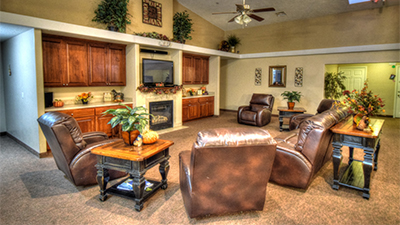
This level of familiarity particularly benefits homeowners with dementia. A confused person fares better when the faces around them are consistent and the routines flexible enough to adjust to that person's state of mind. In a smaller setting, a resident having a rough morning can stay in pajamas a bit longer, consume breakfast in the living room instead of the dining table, or rate the exact same corridor without feeling exposed in front of lots of others.
Personalization likewise encompasses cultural and religious routines. I have actually seen small homes change weekly menus around one resident's long‑held Friday fish tradition, or quietly set up transportation for a monthly praise service because they knew how deeply it mattered. In a substantial structure, even when staff care, the sheer size can bury such gestures under work and schedules.
Social life on a human scale
Families typically assume that larger structures suggest better social life. More locals, more potential buddies. Sometimes that holds true, particularly for extremely extroverted elders who thrive on a jam-packed calendar. However, numerous older adults do not necessarily want 10 choices a day. They want two or 3 meaningful contacts that feel natural, not forced.
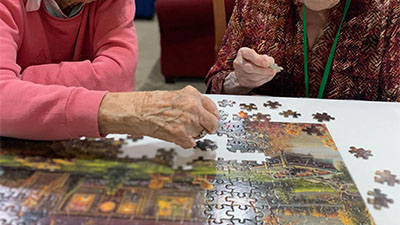
In a small assisted living home, social interaction tends to occur in shorter, more frequent bursts. A resident walking through the open kitchen will inevitably chat with whoever is cooking. Someone reading in the living-room may spontaneously join a puzzle another resident has actually started. Staff can easily discover who invests excessive time alone and casually loop them into conversation without making it an official "activity."
For people who have grown more personal with age or who fatigue easily, this softer social material can be less daunting than big, structured events. One retired engineer I worked with utilized to skip most arranged activities in his previous huge community. In the small home he relocated to later on, his social life slowly reconstructed through easy regimens: inspecting the mail with another resident, listening to baseball on the radio with a caregiver who was a real fan, feeding the house feline together. None of that appeared on an activities calendar, yet it mattered.
Of course, there are trade‑offs. Small homes rarely have on‑site health clubs, theaters, or comprehensive clubs. Lots of partner with community centers, going to musicians, and volunteers to offer variety, but the scale is different. Households need to consider their loved one's social style. A very gregarious individual who likes huge crowds and occasions might find a small home quiet after a while. Others find that the calmer environment minimizes stress and anxiety and makes social interaction feel more manageable.
Staffing, oversight, and real accountability
One of the strongest benefits of a small setting is how noticeable everything is. Homeowners, staff, and management share the very same area. There is less space, actually and figuratively, for issues to hide.
From a staffing point of view, ratios frequently favor the resident. In a typical residential care home, you may see one caretaker for every 3 to 6 homeowners throughout the day, and a single awake or sleep‑over staff individual at night, often with an on‑call backup. In a large assisted living, the ratio can be higher, particularly over night, where a couple of assistants may cover lots of citizens spread out throughout multiple wings.
More crucial than raw numbers is continuity. In small homes, the very same personnel typically work consistent shifts for the exact same group of locals. That stability develops deep understanding. It likewise makes turnover more apparent. If a cherished aide vanishes and brand-new faces appear continuously, families see rapidly and can ask why.
Owners or administrators of small homes tend to be extremely present. Many live close-by and even on site. I have actually seen owners personally drive residents to expert consultations, attend care conferences, or assist repair behavior changes because they really know the person. When something goes wrong, such as a fall or medication error, there are fewer layers in between the cutting edge and choice makers. Course corrections can be faster.
Oversight is not best in any setting. A small home can be run improperly, just as a large building can. Families must always inquire about evaluation histories, grievance records, and staff training. Yet in a small setting, ongoing household participation is normally more useful. Dropping in unannounced, sharing a meal, or sitting quietly in the living-room for an hour exposes a lot. You see how staff talk with homeowners, how quickly calls for assistance are responded to, and whether the environment feels calm or frantic.
Practical distinctions in daily care
To understand whether a small assisted living home will serve your household well, it helps to envision the day from waking to bedtime. Several patterns tend to vary from larger settings.
Mornings frequently stagger naturally. Instead of dozens of people trying to shower, gown, and line up for breakfast at a set time, locals in small homes wake according to their own rhythms, within factor. Caretakers are not racing a group dining schedule, so they can permit a bit more time for sluggish movers or anxious bathers. A resident who has actually never been a morning individual does not require to suddenly end up being one.
Meals feel more like family dining. Food cooks in a genuine kitchen area. Odors wander into bedrooms and the living room. Locals can see, comment, assist set the table, or chop vegetables if they are able. Part sizes change casually. Somebody who wants a smaller lunch and a more significant evening meal can be accommodated without a long request process.
Medication management is generally centralized but noticeable. Personnel may utilize locked cupboards in the kitchen or a devoted med room, yet administration often occurs in typical areas where residents currently are. This reduces the sense of "going to the nurse's station" and enables staff to keep an eye on homeowners for any instant reactions or side effects.
Personal care, such as toileting, bathing, and dressing, often has more versatility. A resident who is terrified of showers might move to sponge baths for a time, then slowly reestablish brief showers with familiar staff. It is simpler to experiment when there is not push to move a long line of other homeowners through the very same routine.
Family involvement tends to be casual and welcome. Grandchildren can curl up on the couch for a visit. Friends can share a cup of coffee in the kitchen area. Pets are typically allowed, within safety limits. The environment welcomes visitors to stay a while rather than hover in a lobby or formal going to area.
When small homes support higher needs
Many families assume that small assisted living homes are only for relatively independent senior citizens. In reality, a good variety of these homes are established to support homeowners who have higher care needs, sometimes close to what a nursing center may provide, depending on state rules.
For example, I have actually seen small homes successfully care for:
Residents with moderate to advanced dementia who need regular cueing, gentle redirection, or close supervision so they do not wander out of safe areas.
Residents who are physically frail, maybe needing two‑person help or mechanical lifts for transfers, in partnership with home health or hospice services.
Residents with intricate medication programs, including insulin injections, inhalers, and multiple everyday pills, managed under nurse oversight.
This greater acuity care works well in small homes when three conditions satisfy: stable staffing, excellent external scientific assistance, and clear interaction with families. Since personnel see each resident so often, changes in condition are usually noticed early. A resident who walks a bit slower, consumes a little less, or seems off balance will draw quick attention.
However, small homes are not an extensive care unit. Specific medical situations still require nursing homes or healthcare facility care. Big wound care requirements, frequent IV medications, or complicated medical equipment can stretch the capacity of a residential setting. That is where honest evaluation and clear contracts matter. A trustworthy small home will be really specific about what they can and can not securely handle, and will not hesitate to suggest a higher level of care when appropriate.
Respite care: testing the fit without a long commitment
Respite care is a short‑term stay that offers family caretakers a break while their loved one receives expert elderly care. Lots of small assisted living homes provide respite stays keyed around a daily or weekly rate, typically with a minimum of a few days.
For caretakers who are uncertain whether a small home design will fit their parent, respite care supplies a low‑risk trial. The resident gets to experience everyday routines, fulfill personnel, and test the physical environment. Families see how communication feels, how well the home handles medications and personal care, and whether the resident's mood modifications for better or worse.
I frequently motivate caretakers who are on the fence between a big neighborhood and a small home to use respite tactically. Organize an one or two week remain in each kind of setting, if possible, separated by some time at home. Take note not only to your loved one's feedback, however likewise to your own stress levels, how much info you receive from personnel, and how quickly you can reach somebody who knows what is going on day to day.
Respite care likewise matters when a main household caretaker faces surgical treatment, a business trip, or basic burnout. A small home can feel less disorienting to a frail elder than a big building, especially if they are coming straight from a personal home. The transition from "my house" to "a home that appears like a huge family's home" often feels less jarring.
Key advantages of small assisted living homes at a glance
Here is a succinct introduction of advantages numerous households observe when choosing a smaller residential home for senior care:
- More customized attention since staff look after less locals and see them throughout the day
- Home like environment that decreases institutional feel and can ease stress and anxiety or confusion
- Stronger relationships amongst citizens, personnel, and households, which supports trust and better interaction
- Easier monitoring of subtle health or habits modifications, often catching problems earlier
- Flexible everyday routines that can adapt to lifelong habits, cultural practices, and changing capabilities
Trade offs and honest limitations
No senior care choice is perfect. Small assisted living homes bring trade‑offs that are worthy of clear eyes.
Space and features are restricted by the physical size of a home. There is rarely space for a dedicated fitness center, theater, or several activity spaces. Corridors may be narrower, which can matter for locals using large equipment. Outside gain access to normally suggests a lawn or outdoor patio rather than extensive grounds. For many seniors, this cozy scale is comforting, however anyone used to long indoor walks or huge group events might feel constrained.
On website medical existence is typically lighter. Bigger neighborhoods often have nurse professionals checking out frequently, on‑site therapy health clubs, or collaborations with clinics. Small homes rely more on visiting nurses, therapists, and physicians. That works well when coordination is strong, but can fail if interaction lines break down or regional service providers are extended thin.
Costs differ more than lots of people anticipate. Some small homes offer extremely competitive rates relative to huge communities, specifically when you consider the level of hands‑on care consisted of. Others, especially in high‑demand areas, can be more pricey. Due to the fact that there are fewer locals, the cost of staffing, rent, and energies spreads across a smaller base. It is necessary to get a comprehensive charge schedule and ask exactly what is covered and what activates included costs.
Coverage by insurance and public programs may also vary. Long‑term care policies typically cover certified assisted living no matter size, but you ought to validate home eligibility. Medicaid waivers, where readily available, frequently have particular agreements with specific companies. Not every small home gets involved. Families depending on public financing need to inspect those details early.
Lastly, not all families are comfy with the level of intimacy that small homes create. Brother or sisters may disagree on whether a parent requires that much oversight. Some elders prefer the anonymity of a big structure where they can mix in and select when to engage. Character, history, and household dynamics matter as much as the care model itself.
How to examine a small assisted living home
When you step into a prospective home, the impression often informs you more than the tour script. Focus on what you feel in your body. If your shoulders drop and your breathing slows, that is information. Still, sensations gain from structure. During visits, numerous households discover it valuable to keep an easy psychological list concentrated on 5 areas:
- Safety and tidiness: clear walkways, grab bars, smoke detectors, protected exits for homeowners with dementia, no strong smells masked by air freshener
- Staffing truth: variety of staff on responsibility, how they speak with locals, whether they appear hurried or present, and whether an administrator or owner is easily obtainable
- Resident experience: facial expressions, whether people look engaged or withdrawn, how staff react to call bells or spoken demands
- Daily life: what is cooking in the kitchen area, whether anybody is talking or listening to music, how flexible routines seem, and whether individual items show up in citizens' spaces
- Communication routines: how specific staff are when answering concerns about care, medication schedules, bathing routines, and household updates
After the visit, compare notes among family members. Frequently one person notices the assisted living near me physical environment, another picks up social hints, and a third zeroes in on personnel professionalism. That composite view supplies a much better picture than any single perspective.
Matching the design to your household's reality
Assisted living, respite care, and broader senior care choices typically emerge from stress: a fall, a hospitalization, a caregiver reaching the end of their rope. Under pressure, it is tempting to grab the first option a discharge planner recommends. Taking an action back to ask, "What sort of daily life would my parent really thrive in?" can alter the trajectory.
Small assisted living homes excel when a person values familiarity, calm, and close relationships, and when their care requires take advantage of regular observation and flexible routines. They fit households who want to be involved and present, but who require reputable partners to share the weight of elderly care. They are specifically powerful when used thoughtfully for respite care to check fit and foster trust before a permanent move.
For some senior citizens, the busier environment and substantial features of a larger community line up much better with their personality and objectives. That is not a failure of the small home model, just a different match.
What matters most is not the size of the building. It is whether, because location, your loved one is seen, heard, and helped to live the max variation of life that their health enables. Small assisted living homes, when well run, typically make that kind of mindful, human‑scale care easier to provide day after day.
BeeHive Homes of Lamesa TX provides assisted living care
BeeHive Homes of Lamesa TX provides memory care services
BeeHive Homes of Lamesa TX provides respite care services
BeeHive Homes of Lamesa TX supports assistance with bathing and grooming
BeeHive Homes of Lamesa TX offers private bedrooms with private bathrooms
BeeHive Homes of Lamesa TX provides medication monitoring and documentation
BeeHive Homes of Lamesa TX serves dietitian-approved meals
BeeHive Homes of Lamesa TX provides housekeeping services
BeeHive Homes of Lamesa TX provides laundry services
BeeHive Homes of Lamesa TX offers community dining and social engagement activities
BeeHive Homes of Lamesa TX features life enrichment activities
BeeHive Homes of Lamesa TX supports personal care assistance during meals and daily routines
BeeHive Homes of Lamesa TX promotes frequent physical and mental exercise opportunities
BeeHive Homes of Lamesa TX provides a home-like residential environment
BeeHive Homes of Lamesa TX creates customized care plans as residents’ needs change
BeeHive Homes of Lamesa TX assesses individual resident care needs
BeeHive Homes of Lamesa TX accepts private pay and long-term care insurance
BeeHive Homes of Lamesa TX assists qualified veterans with Aid and Attendance benefits
BeeHive Homes of Lamesa TX encourages meaningful resident-to-staff relationships
BeeHive Homes of Lamesa TX delivers compassionate, attentive senior care focused on dignity and comfort
BeeHive Homes of Lamesa TX has a phone number of (806) 452-5883
BeeHive Homes of Lamesa TX has an address of 101 N 27th St, Lamesa, TX 79331
BeeHive Homes of Lamesa TX has a website https://beehivehomes.com/locations/lamesa/
BeeHive Homes of Lamesa TX has Google Maps listing https://maps.app.goo.gl/ta6AThYBMuuujtqr7
BeeHive Homes of Lamesa TX has Facebook page https://www.facebook.com/BeeHiveHomesLamesa
BeeHive Homes of Lamesa has an YouTube page https://www.youtube.com/@WelcomeHomeBeeHiveHomes
BeeHive Homes of Lamesa TX won Top Assisted Living Homes 2025
BeeHive Homes of Lamesa TX earned Best Customer Service Award 2024
BeeHive Homes of Lamesa TX placed 1st for Senior Living Communities 2025
People Also Ask about BeeHive Homes of Lamesa TX
What is BeeHive Homes of Lamesa Living monthly room rate?
The rate depends on the level of care that is needed. We do an initial evaluation for each potential resident to determine the level of care needed. The monthly rate is based on this evaluation. There are no hidden costs or fees
Can residents stay in BeeHive Homes until the end of their life?
Usually yes. There are exceptions, such as when there are safety issues with the resident, or they need 24 hour skilled nursing services
Do we have a nurse on staff?
No, but each BeeHive Home has a consulting Nurse available 24 – 7. if nursing services are needed, a doctor can order home health to come into the home
What are BeeHive Homes’ visiting hours?
Visiting hours are adjusted to accommodate the families and the resident’s needs… just not too early or too late
Do we have couple’s rooms available?
Yes, each home has rooms designed to accommodate couples. Please ask about the availability of these rooms
Where is BeeHive Homes of Lamesa TX located?
BeeHive Homes of Lamesa is conveniently located at 101 N 27th St, Lamesa, TX 79331. You can easily find directions on Google Maps or call at (806) 452-5883 Monday through Sunday 9:00am to 5:00pm
How can I contact BeeHive Homes of Lamesa TX?
You can contact BeeHive Homes of Lamesa by phone at: (806) 452-5883, visit their website at https://beehivehomes.com/locations/lamesa/, or connect on social media via Facebook or YouTube
Take a drive to K-BOB'S Steakhouse Lamesa. K-BOB'S Steakhouse Lamesa provides classic comfort food that residents in assisted living or memory care can enjoy during senior care and respite care outings.